



Todos los productos
-
impulsión variable de la frecuencia del vfd
-
Convertidor de frecuencia variable
-
Inversor de la frecuencia del vector
-
Inversor de la frecuencia de VFD
-
Inversor de la impulsión de la frecuencia
-
Dispositivo de frecuencia variable para grúa
-
Estación de recarga de vehículos eléctricos de almacenamiento de energía renovable
-
Optimizador solar
-
Inversor híbrido solar
-
 Jake MillerNos arriesgamos con inverters-vfd.com para reemplazar un variador de frecuencia (VFD) crítico en nuestra línea de montaje. El producto no solo fue una coincidencia perfecta, sino también más asequible que nuestro proveedor anterior. Su estabilidad ha eliminado nuestros frecuentes problemas de disparo. Un valor excepcional y un socio confiable para componentes industriales.
 -
Sarah ChenEl equipo técnico de inverters-vfd.com fue invaluable. Describí nuestra aplicación para un servomotor y recomendaron un modelo con una respuesta dinámica superior. La instalación fue perfecta y la precisión ha mejorado nuestros tiempos de ciclo. ¡Orientación experta y un producto de alto rendimiento!
-
David "Big D" KowalskiNuestro pedido de múltiples unidades PLC y HMIs se cumplió con precisión y se envió con una velocidad asombrosa. Desde que los integramos, la comunicación de nuestro sistema de control es más robusta. Estamos impresionados por la logística y el sólido rendimiento de estos componentes. Una experiencia sin problemas en todos los aspectos.
-
Emily WhiteRequeríamos un motor de husillo de bajo ruido para un entorno de pruebas sensible. La unidad que compramos funciona silenciosamente y mantiene un par constante. La calidad supera a algunas marcas reconocidas que hemos utilizado, a una fracción del costo. Excepcional para aplicaciones especializadas.
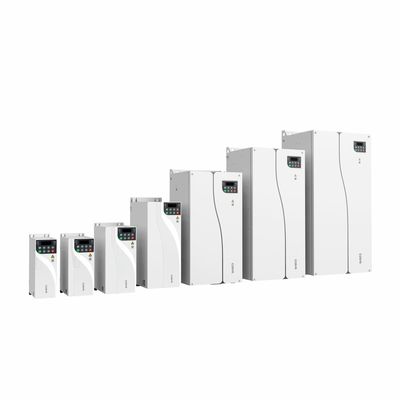
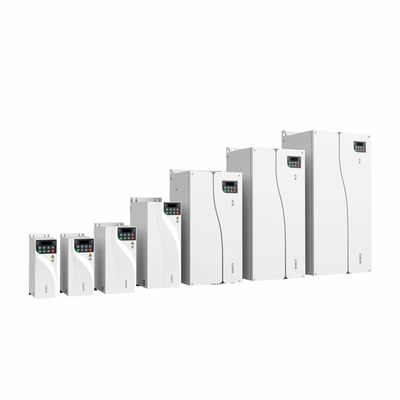
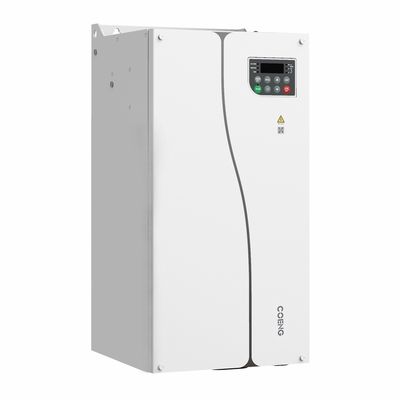
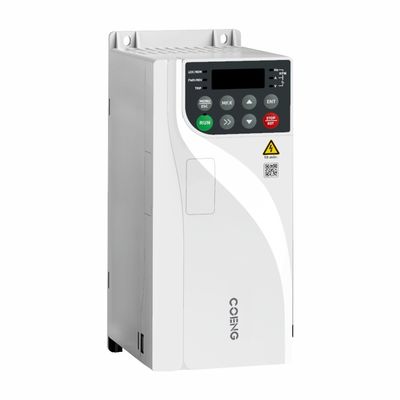
Robust 380-480V 3-Phase Input with Automatic Voltage Regulation for Unstable Grids


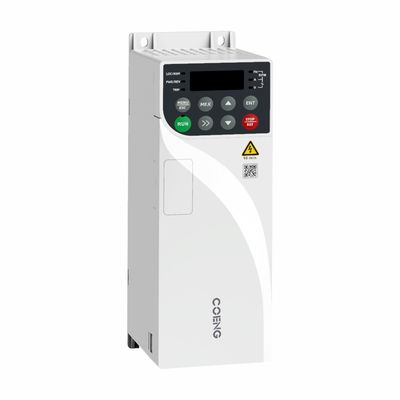
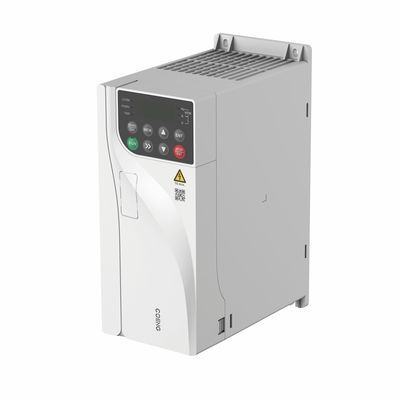
| Lugar de origen | PORCELANA |
|---|---|
| Nombre de la marca | COENG |
| Certificación | CE |
| Número de modelo | HV350 |
| Documento | HV350.xlsx |
| Cantidad de orden mínima | 1 |
| Detalles de empaquetado | Cartón, caja de la madera contrachapada |
| Tiempo de entrega | 10-30 días hábiles |
| Condiciones de pago | L/C, T/T, Western Union |
| Capacidad de la fuente | 20000SETS/YEAR |

Éntreme en contacto con gratis las muestras y los vales.
WhatsApp:0086 18588475571
Wechat: 0086 18588475571
skype: sales10@aixton.com
Si usted tiene alguna preocupación, proporcionamos ayuda en línea de 24 horas.
xDatos del producto
| Voltaje de entrada | Válvula de entrada: de 380 V (-15%) a 480 V (+10%) Fase: de tres fases | Frecuencia de alimentación de entrada | Se aplicarán los siguientes requisitos: |
|---|---|---|---|
| Voltaje de salida | 0V~Voltaje de entrada | Frecuencia de salida | 0 ¢ 600 Hz |
| Tipo de motor de mando maestro | Motor asíncrono | Rango de velocidades del mando maestro | 1:10 V/F;1:100 OLVC;1:1000 CLVC |
| Modo de control maestro | V/F, OLVC ((Control de vectores de circuito abierto), CLVC ((Control de vectores de circuito cerrado | ||
| Resaltar | 380-480V 3-phase frequency inverter,automatic voltage regulation inverter,vector inverter for unstable grids |
||
Descripción de producto
| Item | Specification Description and Technical Data | |
| Power input/output | Input voltage | Input voltage: 380V (-15%) to 480V (+10%) Phase: Three-phase |
| Input power frequency | 50Hz/60Hz ±5% | |
| Input voltage imbalance | ≤3% | |
| Output voltage | 0V~Input voltage | |
| Output frequency | 0~600Hz | |
| Master control performance | Motor type | Asynchronous motor |
| Control mode | V/F, OLVC(Open-loop Vector Control) | |
| Speed range | 1:100 V/F; 1:200 OLVC | |
| Starting torque | OLVC: 150%(0.25Hz) | |
| Torque precision | ±5% (OLVC, above 5Hz) | |
| Torque ripple | ≤±5%, in Vector control mode | |
| Speed stability | OLVC, 0.2% | |
| Torque response | ≤5ms, in Vector control mode | |
| Acceleration/deceleration time | 0.0s~3200.0s; 0.0min~3200.0min | |
| Torque boost | 0.0%~30.0% | |
| Overload capacity | G type: 150% 1min/5min; 180%10s/5min; P type: 110% 1min/5min; 150% 10s/5min | |
| V/F curve | Straight-line type, multi-point type, V/F Half separation mode, V/F complete separation mode | |
| Input frequency resolution | Digital setting: 0.01Hz, Analog setting: maximum frequency ×0.025% | |
| Main functions | Acceleration/deceleration curve | Straight line and S-curve |
| Simple PLC, Multi-speed control | 16 speed segments supported through control terminals | |
| Automatic voltage regulation (AVR) | Automatically keeps the output voltage constant when grid voltage varies within a certain range | |
| Fixed length control | Control with given length | |
| Built-in PID | Easily forms a closed-loop control system | |
| Multi-motor switching | Switchover between two groups of motor parameters to control the two motors | |
| Virtual I/O | 8 groups of virtual VDI/VDO, 3 groups of AI as DI, enabling simple logic control | |
| Overvoltage/Overcurrent stall control | Automatic current and voltage limitation during operation preventing the inverter from tripping due to frequent overcurrent or overvoltage | |
| Restart after power failure | After power failure and restoration, the inverter waits for a set time before automatically running | |
| Quick current limiting | Avoids frequent overcurrent faults in the inverter | |
| Power input/output | Frequency setting method | Keypad; terminal UP/DOWN; multi-reference; pulse reference; communication |
| Analog input terminals | AI1; AI2: 0V~10V/ 0 (4)mA~20mA | |
| Digital input terminals | DI1-DI5, 5 programmable digital input terminals with opto-isolation, compatible with both sinking/sourcing inputs. DI5 supports high-speed pulse input with a maximum input frequency of 100kHz. |
|
| Digital output terminals | Open-collector output; output voltage range: 0V~24V; current load capacity: 50mA. DO1 supports high-speed pulse output with a maximum output frequency of 100kHz. |
|
| Analog output terminals | 1-channel 0V ~ 10V/0(4)mA ~ 20mA | |
| Relay output | 1-channel Form C contact, NO+NC | |
| Communication | Communication protocols | Modbus RTU (standard configuration); Profibus-DP; Profinet IO; CANopen; Modbus TCP/IP; Ethercat; EtherNet/IP (optional configuration) |
| Ambient requirements | Altitude | ≤1000m: no need for derating 1000~3000m: current derating by 1% per 100m increased |
| Ambient temperature | -25℃~+40℃ (Running with derating allowed between 40~55) | |
| Humidity | 15% ~ 95%, No condensation | |
| Vibration | 3M3, IEC60721-3-3 | |
| Storage temperature | −40°C~+70°C | |
| Installation place | Indoor, without direct sunlight, free from flammable, corrosive gases, liquids, and conductive particles. | |
| Optional accessories | Communication expansion card, I/O terminal expansion cards | |
| Protections | Protection against short circuit , overcurrent, overload, overvoltage, undervoltage, phase loss, overtemperature, external faults, etc. | |
| Installation method | Installed in a cabinet | |
| Protection rating | IP20 | |
| Cooling method | Air cooling | |

-
France
Achieve energy savings in French manufacturing with the inverter’s AVR function and customizable V/F curves. The relay output and analog terminals enable easy integration into existing control systems. -
Italy
Enhance textile and machinery operations with high-speed pulse input (100kHz) and S-curve acceleration. The inverter’s compact cooling system maintains performance in Italy’s confined industrial setups. -
South Korea
Leverage CANopen and Modbus TCP/IP connectivity for smart factory applications. The inverter’s precise torque control (≤±5%) and wide speed range meet South Korea’s automotive and shipbuilding demands. -
Canada
Operate reliably in cold climates with a storage temperature range of -40°C to +70°C. The inverter’s derating capability at high altitudes ensures stability in Canadian mining and forestry sectors. -
Australia
Withstand harsh outback conditions using the inverter’s dust and vibration resistance. Features like virtual I/O and quick current limiting protect equipment in Australia’s mining and renewable energy projects. -
Mexico
Boost efficiency in Mexico’s automotive industry with the inverter’s closed-loop vector control and overload protection. The easy PLC programming simplifies process automation for cost-sensitive operations.
Productos recomendados